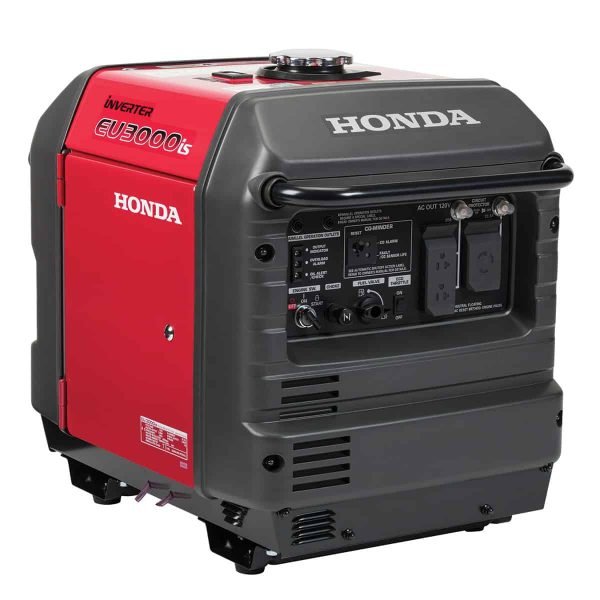
The silent hum of a well-maintained generator is the sound of preparedness, security, and uninterrupted power. But behind that reliable hum lies a complex engine, and at its very heart, one element dictates its rhythm, longevity, and overall health more than almost any other: the quality of its oil. Neglect this vital fluid, and you're not just risking a temporary hiccup; you're significantly shortening the life of your valuable equipment. Understanding the importance of oil quality for generator lifespan isn't just about maintenance; it's about safeguarding your investment and ensuring your power source is ready when you need it most.
At a Glance: Why Oil Quality Matters for Your Generator
- Lubrication is Life: Oil minimizes friction, allowing moving parts to glide smoothly, preventing destructive wear and tear.
- Cooling Agent: It helps dissipate heat, preventing your engine from overheating, especially under heavy loads.
- Cleanliness is Key: Good oil carries away contaminants, preventing sludge and varnish buildup that can clog critical components.
- Sealing Power: Oil forms a seal between pistons and cylinder walls, maintaining compression and engine efficiency.
- Corrosion Protection: It protects internal metal surfaces from rust and corrosion, especially during periods of inactivity.
- Longer Lifespan: Regular changes with the right oil drastically extend the operational life of your generator, saving you from costly repairs or premature replacement.
Why Your Generator Cries for Quality Oil
Think of your generator's engine as a finely tuned orchestra, with dozens of metal components moving at incredible speeds, generating immense heat and friction. Without a master conductor, chaos ensues. For a generator, that conductor is its oil – a crucial, often overlooked fluid that performs multiple life-sustaining roles.
The Unsung Hero: More Than Just Lubrication
Oil in a generator engine isn't a one-trick pony. While lubrication is its star performance, it’s also a powerful coolant, a meticulous cleaner, and a protective shield.
- Lubrication: This is the most obvious role. Oil creates a thin film between metal surfaces, preventing direct metal-on-metal contact. This dramatically reduces friction, which in turn minimizes heat generation and physical wear. Imagine trying to rub your hands together vigorously without any lotion – that’s your engine without proper lubrication.
- Cooling: As components rub, they generate heat. While coolant systems handle the bulk of heat removal, engine oil plays a significant part in absorbing heat from internal parts and dissipating it as it circulates through the engine and oil cooler (if present).
- Cleaning: As the engine operates, combustion byproducts, dirt, and microscopic metal particles are inevitably created. Oil acts as a detergent, suspending these contaminants and carrying them to the oil filter, where they are trapped. This prevents harmful buildup that could otherwise clog oil passages and cause abrasive wear.
- Sealing: Oil forms a dynamic seal between piston rings and cylinder walls, preventing combustion gases from escaping past the rings and maintaining optimal engine compression. This is critical for power and efficiency.
- Corrosion Protection: Modern engine oils contain additives that coat internal engine components, protecting them from rust and corrosion, especially vital during periods when the generator is not in use or stored in humid environments.
The Benefits Breakdown: Why Fresh Oil is a Game Changer
When you prioritize oil quality and regular changes, you're not just performing a chore; you're unlocking a cascade of benefits for your generator's future.
Peak Performance & Efficiency
Fresh oil maintains its ideal viscosity and lubricating properties. This means less friction, which translates directly to the engine running smoother, cooler, and with less resistance. A generator operating with clean, high-quality oil will deliver its rated power output more consistently and consume fuel more efficiently, because the engine isn't working harder than it needs to overcome internal drag. It’s like the difference between a well-oiled machine and one groaning under strain. For more insights on optimizing your generator's performance, consider diving deeper with a comprehensive Generator oil guide.
Extending Its Life Story
This is where the rubber meets the road, or rather, where the oil meets the metal. Preventing harmful contaminant buildup and ensuring that every moving part is precisely lubricated drastically reduces the risk of premature component failure. Think of crankshafts, camshafts, bearings, and piston rings – these are expensive parts. Degraded or dirty oil allows these components to grind against each other, creating microscopic damage that accumulates over time, leading to major wear, breakdowns, and eventual engine failure. Regular oil changes are your best defense against having to replace expensive parts or, worse, the entire generator prematurely. This proactive approach is always more cost-effective than reactive repairs.
Dodging Costly Repair Bills
Skipping oil changes or using substandard oil is a surefire path to expensive problems. As oil breaks down, it loses its ability to lubricate effectively and suspend contaminants. This leads to sludge and varnish buildup – sticky, tar-like deposits that can block critical oil passages, starve parts of lubrication, and cause the engine to overheat. Blocked passages mean insufficient oil flow to vital components, leading to accelerated wear, seizure, and catastrophic engine damage. These aren't minor fixes; they often necessitate extensive engine overhauls or even complete engine replacement, costing far more than a routine oil change ever would.
When to Refresh Your Generator's Lifeblood: The Oil Change Schedule
Knowing that to change your oil is only half the battle; knowing when is equally critical. There's no universal magic number, but clear guidelines exist, influenced by various factors.
The Golden Rule: Hours of Operation
For most generators, the general recommendation for an oil change falls within every 50-100 hours of operation. Some manufacturers might extend this to 100-200 hours, or even 200-300 hours for certain advanced synthetic oils or larger, industrial units. Always err on the side of caution, especially with smaller, air-cooled generators that often run hotter.
The Crucial First Change: Breaking In New Engines
This is perhaps the most overlooked, yet vital, oil change. After a new generator's initial 20-30 hours of use, you absolutely must change the oil. During the engine's "break-in" period, microscopic metal fragments, manufacturing debris, and other contaminants are naturally shed from the newly mating surfaces. This initial oil change flushes out these harmful particles, preventing them from circulating and causing damage to your freshly assembled engine. Think of it as clearing out the construction dust from a new home.
The Annual Check-up: Even with Infrequent Use
Even if your generator rarely sees action, oil doesn't last forever. Over time, oil degrades due to oxidation, moisture absorption, and chemical breakdown, losing its protective properties. Therefore, even if you haven't hit the recommended operating hours, change the oil at least once a year. This ensures that the oil protecting your generator's internals is fresh and effective, ready for when you do need to fire it up.
Factors That Accelerate Wear
Several variables can demand more frequent oil changes than the general recommendations:
- Generator Model and Age: Older generators or specific models may have different requirements. Always consult the manual.
- Intensity of Use: Running the generator continuously under heavy load puts more stress on the engine and oil.
- Harsh Environmental Conditions:
- Dusty Environments: Construction sites or arid regions introduce more airborne particles that can bypass air filters and contaminate oil.
- High Temperatures: Extreme heat accelerates oil breakdown.
- Heavy Loads: Pushing your generator to its maximum capacity means higher engine temperatures and more rapid oil degradation.
If any of these conditions apply, consider changing your oil closer to the 50-hour mark.
Monitoring Your Machine: Keeping Tabs on Usage
Most modern generators come equipped with built-in hour meters. This is your most reliable tool for tracking operational time. Make it a habit to log these hours, perhaps after each significant use, so you know exactly when your next service interval is approaching.
Additionally, especially during continuous or prolonged use, check the oil level every 24-48 hours. Low oil levels lead to inadequate lubrication, increased friction, and severe engine damage. A quick check of the dipstick can save you a world of trouble.
Is It Time for a Change? Recognizing the Red Flags
Sometimes, your generator will send you clear signals that it needs fresh oil, even before you hit the hour meter mark. Learning to recognize these signs can prevent a minor issue from becoming a major headache.
Smoke Signals from the Exhaust
A healthy generator exhaust is usually clear or has a faint, almost invisible plume. If you start seeing excessive smoke from the exhaust, particularly blue or black smoke, it can indicate a problem related to oil. Blue smoke often means oil is burning in the combustion chamber, possibly due to worn piston rings or valve seals, or oil that has thinned out excessively. Black smoke can indicate rich fuel mixture, but also sometimes very dirty oil causing poor combustion. Either way, it warrants immediate investigation and likely an oil change.
Unusual Rumbles and Ticks
Generators make noise, but you become accustomed to its normal operating sounds. If you suddenly hear unusual noises like knocking, ticking, or grinding, especially louder than normal, it's a huge red flag. These sounds often point to inadequate lubrication. Metal components are making direct contact, causing excessive friction and wear. A ticking sound might be valve train components not receiving enough oil, while a knocking sound could indicate serious bearing issues. An immediate oil change is imperative, followed by inspection if the noise persists.
The Oil's Own Tale: Appearance and Texture
This is the easiest visual check. With the generator cooled and on a level surface, pull out the dipstick.
- Color: New oil is typically amber or light brown. As it circulates and cleans the engine, it will darken. Dark oil isn't always bad, as it indicates the oil is doing its job by holding contaminants in suspension. However, black, opaque, or very dark brown oil that looks thick and sludgy suggests it's saturated with contaminants and needs changing.
- Consistency: Rub a tiny bit between your thumb and forefinger. New oil feels slick and smooth. If it feels gritty, watery, or excessively thick and gummy, it's degraded and contains particles.
- Particles: Visibly inspecting the oil on the dipstick for any metal flakes, sludge, or other debris is a critical indicator. These are clear signs of internal engine wear or severe oil breakdown, requiring an immediate oil change and potentially further inspection.
Picking the Perfect Potion: Choosing the Right Oil for Your Generator
Just like you wouldn't put gasoline in a diesel engine, you can't just pour any oil into your generator. The right oil type and viscosity are critical for optimal performance and protection.
Your Owner's Manual: The Ultimate Authority
This cannot be stressed enough: always refer to your generator's manufacturer's manual for specific oil type and viscosity recommendations. This document is tailored to your specific engine's design, tolerances, and operating conditions. Using anything other than what's recommended can void your warranty and cause significant damage.
Decoding Oil Types
The world of engine oil can seem complex, but for generators, it generally boils down to three main types:
- Conventional Oil: This is petroleum-based oil, the most common and generally the most affordable. It's suitable for most standard generators operating under typical conditions. It provides good lubrication but may break down faster under extreme temperatures or heavy loads compared to synthetic options.
- Synthetic Oil: Engineered in a lab, synthetic oils offer superior performance characteristics. They maintain their viscosity better across a wider range of temperatures (hot and cold extremes), resist breakdown more effectively, and often provide enhanced protection against wear. They are ideal for generators that see heavy use, operate in very hot or very cold climates, or those where extended oil change intervals are desired (though still adhering to manufacturer guidance). The downside is a higher upfront cost.
- Semi-Synthetic Oil (Synthetic Blend): As the name suggests, this is a blend of conventional and synthetic oils. It offers a good balance of improved performance (better temperature stability, enhanced wear protection) over conventional oil, without the full cost of a pure synthetic. It's often a great middle-ground choice for many generator owners.
For those looking to deepen their understanding of generator lubrication options, a detailed Generator oil guide offers invaluable insights into oil specifications and their impact.
Climate Considerations: Viscosity and Temperature
Oil viscosity, indicated by numbers like 5W-30 or 10W-40, is crucial. The "W" stands for "winter" and indicates the oil's viscosity at colder temperatures. The second number indicates viscosity at higher operating temperatures.
- Colder Climates: In freezing temperatures, oil thickens. A lower "W" number (e.g., 5W-30, 0W-30) signifies thinner oil that flows more easily, allowing for easier starting and quicker lubrication of components on cold mornings.
- Hot Climates: In scorching temperatures, oil can thin out too much, reducing its protective film. A higher second number (e.g., 10W-40, 15W-40) indicates a thicker oil at operating temperature, providing robust lubrication and protection in extreme heat.
- Varying Climates: Many modern multi-viscosity oils (e.g., 10W-30) are designed for a wide range of temperatures, making them "all-season" choices suitable for generators used in regions with fluctuating weather. Always check your manual for the recommended multi-viscosity range for your specific climate.
A Step-by-Step Guide to a Smooth Oil Change
Changing your generator's oil is a straightforward task, but it requires attention to detail and safety. Here’s how to do it right:
- Read the Generator's Manual First: This is non-negotiable. Every generator model has unique quirks, drain plug locations, oil capacities, and safety warnings. Your manual is your primary source for specific instructions.
- Gather Your Supplies: You'll need:
- Fresh, manufacturer-recommended oil (check type and quantity).
- A funnel (dedicated to oil to prevent contamination).
- A new oil filter (if your generator has one – most diesel generators do, smaller portable gas ones might not).
- A socket wrench or crescent wrench for the drain plug and oil filter.
- A suitable container to collect the old oil (an old oil jug works well).
- Rags or paper towels for spills.
- Gloves for cleanliness and protection.
- Prepare the Generator:
- Ensure it's on a flat, level surface. This allows for complete draining of the old oil and accurate measurement of new oil.
- Let it cool down. Hot oil can cause severe burns. If the generator was running, give it at least 30 minutes to an hour to cool. Warm oil, however, drains better than completely cold oil, so letting it run for 5-10 minutes before cooling can be beneficial.
- Disconnect the spark plug wire (for gasoline generators) or disconnect the battery (for diesel generators) to prevent accidental starting.
- Locate and Drain the Old Oil:
- Identify the oil drain plug, usually located at the very bottom of the engine. Some generators might have an oil drain hose for easier access.
- Place your drain pan or container directly under the plug. Ensure it's large enough to hold the full capacity of your generator's oil.
- Carefully remove the drain plug (and washer, if present). Allow all the old oil to drain completely. This might take 5-15 minutes.
- Inspect the old oil for any metallic flakes or unusual debris.
- Replace the Drain Plug: Once all the oil has drained, clean the drain plug and its sealing washer (replace the washer if it's damaged). Reinstall the drain plug securely. Do not overtighten, as you can strip the threads, but ensure it's snug to prevent leaks.
- Change the Oil Filter (if applicable):
- Locate the old oil filter. It usually looks like a small canister screwed onto the engine block.
- Place a rag or small pan underneath to catch drips.
- Use an oil filter wrench (or sometimes just your hand if it's not too tight) to unscrew the old filter counter-clockwise.
- Apply a thin film of new oil to the rubber gasket of the new filter. This helps create a good seal.
- Screw on the new filter by hand until the gasket makes contact with the engine block, then tighten it an additional 1/2 to 3/4 turn (refer to filter or manual instructions). Do not overtighten.
- Add New Oil:
- Locate the oil fill cap, usually on the top or side of the engine.
- Place your funnel into the oil fill opening.
- Slowly pour in the recommended type and quantity of new oil. Avoid pouring too quickly to prevent spills and air bubbles.
- After adding most of the oil (e.g., about 80-90% of the recommended capacity), pause.
- Check the Oil Level with the Dipstick:
- Remove the dipstick, wipe it clean, reinsert it fully (do not screw it in if it's a push-in type), then remove it again.
- Check the oil level against the "full" or "max" mark. Add small amounts of oil as needed, checking the dipstick each time, until the level is within the recommended range. Do not overfill.
- Replace the oil fill cap and the dipstick securely.
- Final Checks and Run:
- Wipe up any spilled oil.
- Reconnect the spark plug wire or battery cable.
- Start the generator and let it run for a few minutes. Check for any leaks around the drain plug or oil filter.
- Shut it off, let it cool for a few minutes, then recheck the oil level (it might drop slightly as the new filter fills). Top off if necessary.
- Properly dispose of the old oil at an authorized recycling center. Never dump it.
Common Pitfalls to Sidestep During Oil Changes
Even a seemingly simple task like an oil change can go wrong. Being aware of these common mistakes can save you from unnecessary stress and potential generator damage.
The Dangers of Overfilling Oil
"More is better" does not apply to engine oil. Overfilling the oil tank is a common and potentially damaging mistake. When the oil level is too high, the crankshaft and connecting rods can churn directly into the oil, aerating it and turning it into a foamy mixture. This foam cannot properly lubricate, leading to friction, excessive heat, and premature wear. Overfilling can also create excessive pressure, leading to leaks from seals and gaskets, and potentially even damage to the catalytic converter in some generators. Always use the dipstick as your guide and aim for the "full" mark, never above it. If you've overfilled, it's crucial to drain the excess oil until the level is correct.
The Wrong Oil Type Will Bite You
As discussed, engine oil specifications are precise for a reason. Using the wrong type or viscosity of oil is a recipe for poor performance and a shortened engine lifespan. For example, using a multi-grade oil where a straight-weight oil is specified, or a conventional oil where synthetic is explicitly required, can lead to:
- Inadequate lubrication at certain temperatures.
- Increased wear and friction.
- Sludge buildup.
- Reduced fuel efficiency.
- Potential engine failure.
Always, always stick to the manufacturer's recommendations outlined in your owner's manual. A quick reference to a reliable Generator oil guide can prevent costly mistakes in oil selection.
Beyond the Change: Sustaining Oil Quality Between Services
Changing your oil regularly is paramount, but how you store and handle your generator and its lubricants in between changes also impacts oil quality and, by extension, generator lifespan.
Smart Storage for Your Generator
Don't just park your generator anywhere. Store it in a clean, dry place, ideally indoors or under a sturdy cover if outside. This prevents moisture, dust, and other environmental contaminants from entering the engine through vents or openings, which could otherwise degrade the oil quality prematurely. Condensation from temperature fluctuations can also introduce water into the oil over time, leading to rust and reduced lubrication effectiveness.
Keep the Oil Container Tightly Sealed
Your fresh oil is only as good as its container's seal. Always ensure that any partially used oil containers are tightly sealed after each use. This prevents dust, moisture, and debris from contaminating the clean oil. Contaminated fresh oil is no longer fresh once it enters your engine, immediately compromising its protective capabilities.
Dedicated Tools Prevent Cross-Contamination
It might seem minor, but using a dedicated funnel for oil changes is a simple yet effective practice. If you use a funnel for gasoline, coolant, or other fluids, microscopic residues can remain and transfer into your engine oil, leading to chemical contamination that degrades oil quality and can harm engine components. Invest in a cheap plastic funnel solely for oil.
Pre-Use Checks for Peace of Mind
Before each use of your generator, or at least before significant periods of operation, make it a habit to check the oil level and inspect the oil for discoloration or particles. A quick glance at the dipstick tells you a lot. Clean oil is typically amber or light brown. If it's already very dark, sludgy, or shows signs of metallic particles, it's a strong indicator that an oil change is needed, regardless of hours run. This proactive check can catch issues before they escalate.
Why Professional Generator Care is a Smart Investment
While DIY oil changes are manageable for many, understanding the importance of oil quality for generator lifespan also means knowing when to call in the experts. Professional maintenance goes far beyond a simple oil change.
Expert Eyes & Advanced Tools
A certified technician brings a level of expertise and specialized tools that most homeowners don't possess. They perform detailed inspections, looking for subtle signs of wear, potential leaks, or emerging issues that might be invisible to the untrained eye. They can run diagnostic tests, analyze oil samples for microscopic wear metals, and identify problems early before they lead to catastrophic failures. This early detection can save you significant repair costs down the line.
Warranty Protection and Long-Term Peace of Mind
For many generators, especially newer models, adhering to a professional maintenance schedule is often a requirement for maintaining your warranty. Skipping factory-recommended services, or failing to document proper maintenance, can void your coverage. Beyond the warranty, professional care provides long-term peace of mind, knowing your generator is always in peak condition, ready to perform reliably when an emergency strikes. It’s an investment in your generator’s health and your own preparedness.
Your Generator's Lifeline: A Final Word on Proactive Maintenance
Your generator is more than just a machine; it's a critical lifeline that provides power, comfort, and safety when the grid goes dark. Its reliability hinges directly on your commitment to its care, and at the core of that care lies the importance of oil quality for generator lifespan.
By understanding the vital roles oil plays, adhering to recommended change schedules, choosing the right products, and performing routine checks, you're not just preventing breakdowns – you're extending the operational life of your generator, enhancing its efficiency, and ultimately, ensuring that it remains a steadfast source of power for years to come. Don't let neglect turn a reliable asset into a costly liability. Make quality oil and diligent maintenance cornerstones of your generator ownership.