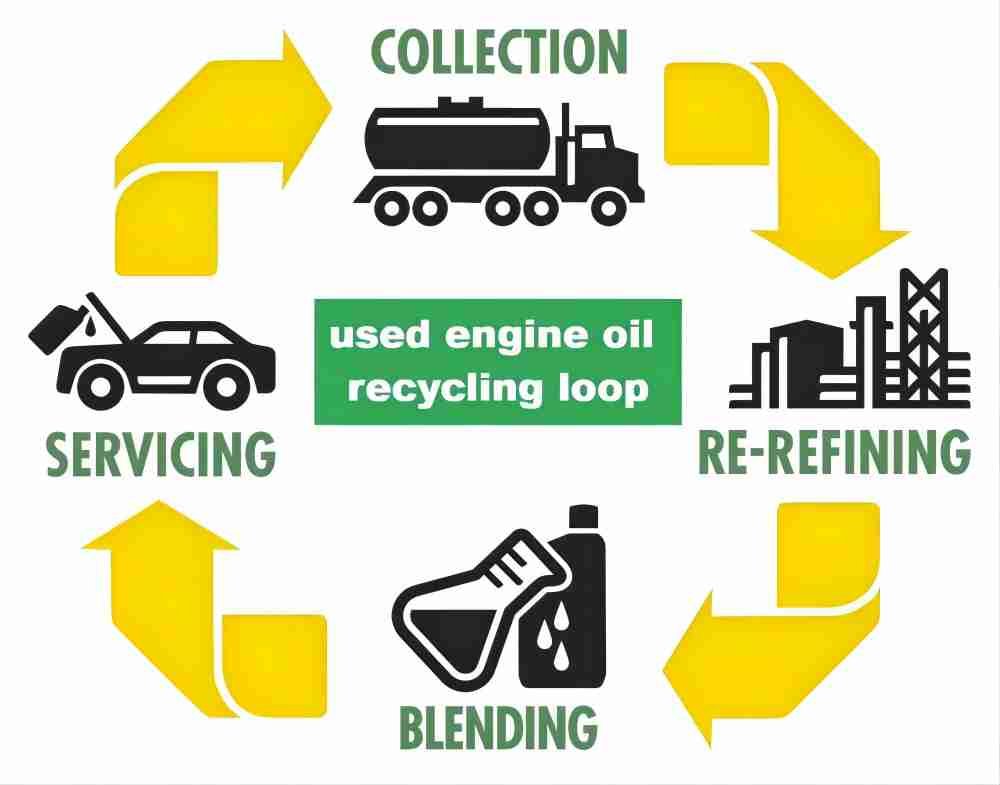
When the lights go out or the job site hums with activity, generators are indispensable. But once the engine oil has done its duty, it transforms from a vital lubricant into a potential environmental hazard if not handled correctly. That’s why Proper Storage and Disposal of Used Generator Oil isn't just about compliance; it's about protecting our planet, conserving resources, and ensuring safety for everyone.
Leaving used oil lying around or pouring it down a drain might seem harmless, but the consequences are far-reaching. Just one gallon of used oil can contaminate a million gallons of fresh water, making it unfit for consumption. Fortunately, managing used generator oil responsibly is straightforward, incredibly beneficial, and often easier than you might think.
At a Glance: Your Quick Guide to Used Oil Management
- Never mix used oil with other fluids like antifreeze, solvents, or brake fluid; this can make it unrecyclable and hazardous.
- Store used oil in clean, sturdy containers (like the original oil containers or dedicated used oil drums) with tight-fitting lids.
- Label all containers clearly with "Used Oil" to avoid confusion.
- Keep containers in a secure location, away from drains, direct sunlight, and potential damage, ideally with secondary containment.
- Prevent spills by handling oil carefully and having absorbent materials ready.
- Recycle whenever possible. Used oil is a valuable resource that can be re-refined into new lubricants or processed for energy.
- Find a certified collection center. Many auto parts stores, quick lube facilities, and municipal waste sites accept used oil from homeowners.
- Businesses face stricter regulations. Understand your local, state, and federal requirements for generation, storage, tracking, and transportation.
The Hidden Value: Why Used Oil Deserves Proper Attention
Beyond avoiding fines and environmental damage, there's a compelling upside to proper used oil management: recycling. What many see as waste is actually a precious resource waiting to be reborn.
Consider these facts: The U.S. alone recycles an estimated 380 million gallons of used oil annually. Re-refining used oil to create new lubricating products requires approximately one-third of the energy it takes to refine crude oil. Even more impressively, a single gallon of used oil can produce 2.5 quarts of new lubricating oil, a stark contrast to the 42 gallons of crude oil needed to yield the same amount. This isn't just about disposal; it's about a circular economy, turning potential pollution into renewed utility.
Used oil, by definition, is any oil—crude-refined or synthetic—that has been contaminated through use, extended storage, or spillage. This broad category includes not just generator oil, but also motor oils, hydraulic fluids, compressor oils, and transformer oils. However, it's crucial to know what's not considered used oil under these specific regulations: antifreeze, brake fluid, fuels, solvents, and any oils with a flashpoint below 100°F are excluded, as are oils containing high levels of polychlorinated biphenyls (PCBs) or excessive total halogens, which signal a likely mix with hazardous waste. Understanding these distinctions is your first step in responsible management.
For Homeowners and DIYers: Simple Steps for Safe Handling
For the average homeowner who changes their generator oil, the process for proper management is relatively straightforward but requires attention to detail.
1. Safe Collection: Catching Every Drop
When you drain your generator's oil, ensure you use a clean, dedicated drain pan. Avoid using containers that previously held incompatible chemicals like antifreeze or bleach, as even small residues can contaminate the used oil, rendering it unrecyclable. Once drained, immediately transfer the used oil from the open pan into a secure storage container.
2. Temporary Storage: Keeping It Safe and Sound
The right storage container is key. Original plastic oil containers are often suitable, as are sturdy plastic jugs with screw-on caps. Avoid milk jugs or thin plastic containers, which can degrade over time, leak, or spill easily. Metal drums or dedicated used oil containers are ideal for larger quantities.
- Labeling is non-negotiable: Clearly mark each container with "Used Oil." This prevents accidental mixing with other fluids, which is one of the biggest pitfalls in used oil recycling.
- Location, location, location: Store your containers in a cool, dry place away from direct sunlight, heat sources, and potential impact. A garage shelf or dedicated shed corner is perfect. Crucially, keep them off the bare ground, especially dirt or gravel, where leaks could seep into the soil. An impermeable surface like concrete is best.
- Preventing Leaks: Always ensure lids are tightly sealed. Even a small drip can create a mess and environmental risk.
3. Finding a Collection Center: Your Local Recycling Hub
Most communities have established collection points for used motor oil, and generator oil falls under the same category.
- Local Auto Parts Stores: Many major auto parts retailers (e.g., AutoZone, O'Reilly Auto Parts, Advance Auto Parts) offer free used oil collection. Call ahead to confirm their policies and quantity limits.
- Quick Lube Facilities: Some oil change centers also accept used oil from the public.
- Municipal Waste Facilities: Your local public works department or solid waste management authority can provide a list of recycling centers or household hazardous waste collection events.
- State Environmental Agencies: Check your state's environmental protection agency website for specific programs or certified collection centers. In California, for example, many certified Used Oil Collection Centers accept up to 5 gallons per person per day.
When you take your oil for disposal, transport it securely in an upright position to prevent spills in your vehicle.
For Businesses & Industrial Users: Navigating the Regulatory Labyrinth
Businesses that generate, store, or transport used generator oil face a far more complex set of regulations. These are designed to prevent large-scale pollution and ensure accountability throughout the oil's lifecycle. While specifics can vary by state and locality, the U.S. EPA sets federal standards, and states like California often have even stricter requirements.
The Generator's Responsibility: Knowing Your Role
If your business generates used oil—whether from a fleet of backup generators, industrial machinery, or construction equipment—you are considered a "generator" and bear significant responsibility.
- Identification Numbers: In California, for instance, businesses generating used oil must obtain a California or U.S. EPA Identification Number from the Department of Toxic Substances Control (DTSC) for each site where used oil is generated, accumulated, or stored. This number is your tracking identifier.
- Hazardous Waste Designation: In many states, including California, used oil must be managed as a hazardous waste unless it meets specific recycling criteria or qualifies for an exclusion. This means understanding and adhering to hazardous waste accumulation times and manifesting requirements.
Storage Requirements: Beyond the Basics
For businesses, used oil storage isn't just about convenience; it's about stringent regulatory compliance.
- Clear Labeling: All containers and tanks must be clearly labeled "Used Oil." This seems simple, but it's a critical compliance point.
- Good Condition: Storage containers must be in excellent condition—no rust, dents, or leaks. Integrity is paramount to preventing environmental releases.
- Approved Storage Units: Used oil can only be stored in tanks, storage containers, or permitted hazardous waste units. Storage in unpermitted lagoons, pits, or surface impoundments is strictly prohibited and can lead to severe penalties.
- Secondary Containment: A Critical Barrier
For tanks, especially larger ones, secondary containment systems are often legally required. The EPA encourages all generators to use them, and they are mandatory for processors, transfer facilities, and burners. In California, Article 10 mandates secondary containment for tanks. This means your primary container or tank must be situated within another structure (like a berm, dike, or double-walled tank) capable of holding 100% of the primary container's volume, plus additional capacity for precipitation, to catch any leaks or spills. This extra layer of protection is vital for environmental safety. - Aboveground Petroleum Storage Act (APSA): In California, tanks storing petroleum products (including used oil) above ground may also fall under the state's Aboveground Petroleum Storage Act, which has additional requirements for integrity testing, spill prevention control and countermeasure (SPCC) plans, and facility inspections.
Dealing with Used Oil Filters: Not All Filters Are Created Equal
Used oil filters are a distinct waste stream with their own rules.
- Drained Metal-Housing Filters: Filters with metal housings, once properly drained to remove free-flowing oil, can often be recycled as scrap metal. This is a common and environmentally sound practice, managed under less stringent standards than the oil itself. To "properly drain," they typically need to be hot-drained for at least 12 hours or crushed/dismantled.
- Non-Metal Filters (Media Cartridges/Inserts): Filters without metal housings, such as media cartridges or inserts, are generally not recyclable as scrap metal in the same way. Unless you can prove they are non-hazardous through testing, these types of filters must typically be managed as hazardous waste.
The Ins and Outs of Transportation: Moving Oil Legally
Getting used oil from your site to a recycling or disposal facility is a highly regulated process, particularly for businesses.
- Self-Transport (California Example): Some states, like California, allow generators to self-transport a limited quantity of used oil (e.g., up to 55 gallons in containers of 55 gallons or less) to a Used Oil Collection Center without needing a manifest or a Registered Hazardous Waste Transporter. However, it’s always wise to call the facility in advance, as many centers accept less than the maximum allowable amount.
- Third-Party Transport: The Standard for Businesses: For larger quantities or when self-transport isn't an option, you'll need a Registered Hazardous Waste Transporter. These transporters must possess an EPA ID number and operate under strict regulations.
- Testing Requirements: Before used oil is transported to a transfer facility, recycling facility, or an out-of-state facility, it often must be tested. In California, for example, SB 546 mandates testing to certify compliance with specific criteria, ensuring the oil doesn't contain prohibited contaminants that would prevent recycling or deem it a more severe hazardous waste.
- Manifests: Your Paper Trail (or Electronic Trail):
Historically, transporting hazardous waste (including used oil for businesses) required a uniform hazardous waste manifest. This multi-copy document tracks the waste from its point of generation to its final destination. As of June 30, 2021, the U.S. EPA no longer accepts paper manifests from facilities; the system has largely transitioned to an all-electronic manifesting (e-manifest) system. This requires electronic signing via the "myRCRAid" system and eliminates the need for mailing copies to DTSC or EPA.
Even with e-manifests, the principle remains: as the generator, you complete and sign the manifest electronically upon transfer to the transporter. The transporter then signs, and finally, the destination facility signs, confirming receipt. This chain of custody is vital for accountability.
Destination Facilities: The End of the Road (or a New Beginning)
Used oil from businesses must only be transported to authorized recycling or oil transfer facilities. These facilities are permitted to handle used oil, often having specialized equipment for re-refining or processing for energy recovery. Upon delivery, the destination facility signs the manifest, legally accepting responsibility, and submits it to the U.S. EPA, completing the tracking process.
The Power of Recycling: More Than Just Disposal
Recycling used oil isn't just a regulatory obligation; it's a testament to sustainability. When used oil is properly collected, it can embark on several beneficial journeys:
- On-Site Reconditioning: For some industrial applications, oil can be filtered and reconditioned on-site for immediate reuse, extending its lifespan.
- Insertion into Petroleum Refineries: Used oil can be blended into petroleum refineries as a feedstock, supplementing crude oil in the production of various petroleum products.
- Re-refining into New Lubricating Oil: This is often the preferred and most environmentally beneficial option. Re-refineries process used oil to remove impurities, water, and additives, yielding high-quality base oils that are virtually identical to those derived from virgin crude. These base oils are then blended with new additives to produce fresh lubricants for generators, cars, and industrial machinery. For more detailed information on selecting the right lubricants for your equipment, you might consult a comprehensive generator oil guide.
- Processing for Energy Recovery (Burning as Fuel): Used oil can also be processed and burned as fuel to recover its energy content. This is a common practice in industrial settings, where specialized burners can efficiently combust the oil while controlling emissions.
Burning Used Oil: Specifics and Safeguards
While recycling into new lubricating oil is often the preferred environmental option, burning used oil for energy recovery is a legitimate and regulated practice, especially for businesses. However, it's not a free-for-all. The EPA sets strict "used oil fuel specifications" to protect air quality.
Used oil intended for burning in non-industrial burners without falling under the most stringent RCRA hazardous waste regulations must meet specific contaminant limits:
- Arsenic: 5 parts per million (ppm) maximum
- Cadmium: 2 ppm maximum
- Chromium: 10 ppm maximum
- Lead: 100 ppm maximum
- Total Halogens: 4,000 ppm maximum (a higher halogen content indicates potential mixing with hazardous solvents, triggering the rebuttable presumption of hazardous waste)
- Flash point: 100°F minimum (to ensure safe handling and combustion)
Used oil meeting these specifications can be burned for energy recovery in designated units, including industrial furnaces, industrial/utility boilers, or hazardous waste incinerators.
Used Oil-Fired Space Heaters: A Niche Exemption
For smaller operations, used oil-fired space heaters offer a way to generate heat while utilizing owner-generated or household DIY oil. These heaters are exempt from some of the more stringent burner requirements if they meet specific criteria:
- They must burn only used oil generated on-site or used oil from household DIY activities.
- They must have a maximum capacity of 0.5 million Btu/hr.
- Combustion gases must be vented to the ambient air (not indoors without proper exhaust).
This exemption is designed for small-scale, on-site energy recovery, not for commercial waste disposal.
Preventing Spills and Managing Accidents: Be Prepared
Even with the best intentions, accidents happen. Preventing spills is always the first line of defense, but being prepared to manage them is equally crucial.
- Maintain Equipment: Regularly inspect your generator, oil lines, filters, and storage containers for any signs of wear, leaks, or damage. Proactive maintenance is your best spill prevention tool.
- Spill Kits: Always have absorbent materials (e.g., universal absorbent pads, socks, granular absorbents like kitty litter) readily available wherever you store or handle used oil. A dedicated spill kit with gloves, bags, and absorbents is a smart investment.
- Immediate Action: In the event of a spill, your priorities are:
- Stop the Flow: If safe to do so, immediately stop the source of the leak (e.g., turn off the generator, upright a container).
- Contain the Oil: Deploy absorbents to prevent the oil from spreading, especially towards storm drains or waterways.
- Clean It Up: Use absorbents to thoroughly clean up all spilled oil.
- Recycle or Dispose Properly: Collected used oil and cleanup materials containing free-flowing used oil must be managed as used oil. If the cleanup materials are heavily saturated but not free-flowing, and the oil itself isn't hazardous, they might be disposed of as solid waste, but check local regulations. If the oil is deemed hazardous (e.g., due to mixing), the cleanup materials may also need hazardous waste disposal. Never just throw oil-soaked rags into the regular trash if they are still dripping or heavily contaminated.
Common Questions & Misconceptions About Used Generator Oil
Let's clear up some common doubts about managing your generator's used oil.
Can I just throw used generator oil in the trash?
Absolutely not. Used oil is explicitly prohibited from regular trash disposal. It's a hazardous waste stream that requires specialized handling to protect the environment and recover valuable resources. Even small amounts can leach into landfills and contaminate soil and groundwater.
What happens if I mix used generator oil with other fluids like antifreeze or brake fluid?
Mixing used oil with other fluids is a major problem. It contaminates the oil, often making it unrecyclable and potentially converting it into a much more dangerous hazardous waste. For example, if used oil is mixed with certain solvents, its total halogen content might exceed regulatory limits, triggering a "rebuttable presumption" that it's a hazardous waste, leading to much more stringent (and costly) disposal requirements. Always keep used oil separate and pure.
How often should I change my generator oil?
The frequency of generator oil changes depends heavily on the generator's type, run time, operating conditions, and the oil type specified by the manufacturer. While this article focuses on disposal, keeping up with regular maintenance is crucial for your generator's longevity and performance. Consult your generator oil guide or owner's manual for specific recommendations on oil change intervals.
Are all used oils the same? Can I mix different types of used oils together?
While most used engine oils (including generator oil) can generally be collected and recycled together, it's best practice to keep them separate from other types of used oils if possible (e.g., hydraulic fluid, transformer oil) unless you are certain they are compatible for recycling and meet the same regulatory definitions. Never mix used petroleum-based oils with synthetic oils unless you're explicitly told it's acceptable for your collection center, as different base chemistries can complicate the recycling process.
Taking Action: Your Next Steps for Responsible Management
The journey from fresh lubricant to responsible disposal is a critical one for your generator oil. Whether you're a homeowner with a single portable unit or a business managing a fleet, understanding and implementing proper storage and disposal practices is paramount.
Start by assessing your current practices. Are your containers clearly labeled? Are they stored securely with secondary containment if needed? Do you know where your local collection center is, or do you have a registered transporter lined up? Take the time to educate yourself on your local and state regulations, as compliance protects both your wallet and the environment.
By choosing to properly store and recycle or dispose of your used generator oil, you're not just adhering to best practices; you're actively participating in a cycle that conserves energy, minimizes pollution, and safeguards our planet for generations to come. Make responsible used oil management a priority—it's one of the simplest, yet most impactful, environmental actions you can take.