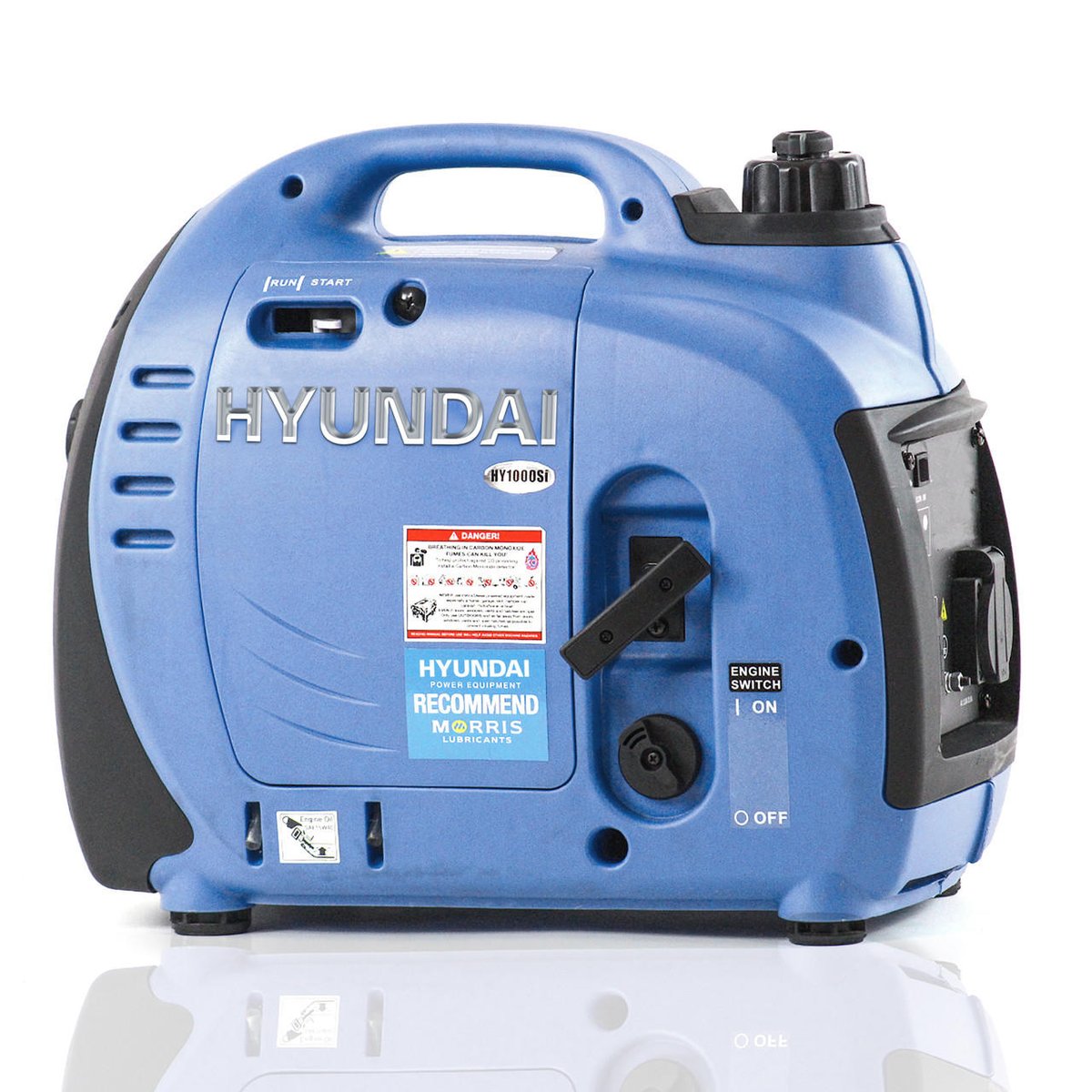
Keeping your generator running smoothly, especially when you need it most, hinges on one fundamental task: the Generator Oil Change: Step-by-Step Guide and Schedule. Just like the lifeblood of your car, your generator's engine oil is critical for lubrication, cooling, and protecting its internal components. Neglecting this simple maintenance can lead to increased wear, reduced efficiency, and even costly engine failure down the line. But don't worry, changing your generator's oil is a straightforward process you can easily tackle yourself with a little know-how and the right tools.
This comprehensive guide will walk you through everything you need to know, from understanding why it's so important to a detailed step-by-step process and an easy-to-follow maintenance schedule.
At a Glance: Your Generator Oil Change Essentials
- Why: Prevents wear, overheating, and extends engine life.
- When (First): 25 operating hours for new generators.
- When (Ongoing): Portable units: 100-200 hours. Standby units: 100 hours or annually (whichever comes first).
- What Oil: Always check your owner's manual! SAE 5W-30 is common; conditions dictate variations.
- Tools: Oil, drain pan, wrench, funnel, rags, safety gear.
- Key Steps: Cool generator, drain old oil, replace filter (if applicable), add new oil, circulate, recheck.
- Disposal: Recycle used oil properly; never pour down drains.
Why Your Generator Craves a Fresh Start: The Importance of Oil Changes
Imagine running a marathon on stale, gritty water instead of clean, refreshing electrolytes. That's essentially what happens to your generator's engine when its oil gets old. Over time, engine oil breaks down under extreme heat and pressure, losing its lubricating properties. It collects dirt, carbon, and microscopic metal particles, transforming from a protective barrier into a gritty abrasive that actively contributes to wear and tear.
This degraded oil leads to a cascade of problems:
- Increased Friction and Wear: Without proper lubrication, metal parts rub against each other, accelerating wear.
- Overheating: Oil helps dissipate heat. Degraded oil is less effective, leading to higher engine temperatures.
- Reduced Efficiency: A struggling engine consumes more fuel and produces less power.
- Contaminant Buildup: Sludge and carbon deposits can clog oil passages, starving critical components.
- Premature Engine Failure: The ultimate consequence of prolonged neglect, often resulting in expensive repairs or a total generator replacement.
Regular oil changes are the most impactful, yet simplest, way to maintain peak performance and significantly extend your generator's lifespan.
Decoding Your Generator's Maintenance Schedule
Knowing when to change your generator's oil is just as important as knowing how. The frequency largely depends on whether you have a portable or standby unit, and how often it's used.
The Critical 25-Hour Mark: First Oil Change for New Generators
For any brand-new generator, the first oil change is crucial and typically recommended after 25 hours of use. This initial period is when the engine's internal components "break in," and microscopic metal particles can be shed. Changing the oil early flushes out these initial contaminants, ensuring a cleaner start for the engine's long-term health. Think of it as a crucial first step in a long and happy relationship with your power source.
Ongoing Maintenance: Portable vs. Standby Units
Once past the break-in period, your generator's subsequent oil change schedule will follow general guidelines:
- Portable Generators: These units typically require an oil change every 100 to 200 operating hours. Since portable generators are often used intermittently, it's vital to track their runtime diligently. Many newer models have built-in hour meters for easy monitoring.
- Standby Generators (e.g., Kohler units): Designed for continuous readiness, standby generators usually need an oil change every 100 hours or annually, whichever comes first. Even if a standby unit isn't logging many hours, the oil still degrades over time due to exposure to air and temperature fluctuations. Consistent maintenance is key to their reliability during power outages.
Beyond the Clock: Factors Affecting Frequency
While operating hours are the primary metric, other factors can necessitate more frequent oil changes:
- Extreme Operating Conditions: If your generator frequently runs in very hot weather, under heavy loads, or in dusty environments, the oil will break down faster and collect more contaminants. In such cases, err on the side of caution and shorten your oil change intervals.
- Infrequent Use: Paradoxically, generators that sit idle for long periods can still benefit from more frequent oil changes, or at least annual changes. Oil can degrade and separate over time, even without heavy use.
- Monthly Checks: For standby generators, remember to perform monthly visual checks and run them for about 20 minutes. This helps keep components lubricated and ensures the unit is ready to go.
- Refueling Checks: Always check your oil level when you refuel your generator. It's a quick habit that can prevent major issues.
Maintaining a generator's health goes beyond just oil; understanding the right type of generator oil is a foundational step in ensuring its longevity.
Selecting the Lifeblood: Choosing the Right Generator Oil
Not all oils are created equal, and using the incorrect type can do more harm than good. Always consider your generator's owner's manual your sacred text when it comes to oil selection.
Consulting Your Owner's Manual: The Golden Rule
Every generator manufacturer specifies the exact type and viscosity (weight) of oil best suited for its engine. This information is paramount and should always override general advice. For instance, Kohler standby generators often recommend SAE 5W-30 for most operating conditions, as it provides good protection across a range of temperatures.
Understanding Oil Weights and Their Meaning
Generator oil weight (e.g., 5W-30, 10W-30) indicates its viscosity at different temperatures.
- The "W" (Winter) Factor: The number preceding the "W" (e.g., "5W") refers to the oil's viscosity when cold. A lower number means the oil is thinner at low temperatures, allowing for easier starting and better lubrication in freezing conditions.
- The Second Number: The number after the hyphen (e.g., "30") indicates the oil's viscosity at normal operating temperatures. A higher number means the oil is thicker when hot, providing better protection in warmer climates.
General Oil Weight Guidelines: - SAE 5W-30: Excellent for most conditions, especially freezing temperatures (below 40°F / 4°C), offering versatility. This is a common recommendation for many modern generators.
- SAE 10W-30: Suitable for moderate climates where temperatures rarely drop below freezing.
- SAE 15W-40: May be suggested for very hot conditions or heavy-duty use in specific engines.
- SAE 30: Exclusively for hot weather (above 40°F / 4°C). This oil is too thick for cold starts.
It's vital to use engine oil specifically designed for generators or small engines. While automotive oils may seem similar, generator engines often have different operating characteristics, like higher RPMs and air-cooling, which demand specific additives and formulations. To truly grasp the specifics, a detailed generator oil guide can provide deeper insights into the chemical compositions and performance characteristics.
Special Considerations: Diesel and Air-Cooled Engines
- Diesel Generators: Require specific diesel engine oils (e.g., SAE 15W-40 diesel-rated) which contain different additive packages suited for the higher compression and soot production of diesel engines. Never use gasoline engine oil in a diesel generator.
- Small Air-Cooled Engines: Many portable generators feature air-cooled engines, which run hotter than liquid-cooled automotive engines. Their oil formulations are designed to withstand these higher temperatures and provide adequate lubrication without breaking down prematurely.
Gearing Up: Essential Tools for the Job
Before you begin, gather everything you'll need. Having your tools ready prevents frustrating interruptions and ensures a smooth process.
- Correct Type and Amount of Oil: As specified in your owner's manual.
- Oil Filter (If Applicable): Not all generators have them, but if yours does, have a new one ready.
- Wrench or Socket Wrench Set: To remove the drain plug (typically 10-15mm bolt). An oil filter wrench might be needed for the filter.
- Oil Drain Pan: Large enough to hold all the old oil without overflowing.
- Funnel: Essential for cleanly adding new oil.
- Shop Rags or Paper Towels: For inevitable spills and cleanup.
- Safety Gloves, Goggles, and Closed-Toe Shoes: Protect your hands, eyes, and feet from hot oil and potential spills.
- Replacement Gasket (If Applicable): Some drain plugs or filters come with a crush washer or gasket that should be replaced.
Your Step-by-Step Generator Oil Change Guide
Now, let's get down to business. Follow these steps carefully for a successful oil change.
1. Safety First: Power Down & Cool Off
This is non-negotiable.
- Turn off the generator completely.
- Allow it to cool for at least 30 minutes. Hot oil can cause severe burns, and engine components will be extremely hot.
- Disconnect the battery's negative cable (if applicable) to prevent accidental starting while you're working.
- Don your safety gear: Gloves, goggles, and closed-toe shoes.
2. Prep Time: Warm Up, Then Position
A little warmth helps:
- Run the generator for 3-5 minutes. This warms the old oil slightly, making it thinner and allowing it to drain more completely, carrying away more contaminants.
- Shut down the generator and wait another 10-15 minutes for the engine to cool down enough to be safe to touch, but while the oil is still warm.
- Clean the area around the oil fill cap and the oil drain plug. This prevents dirt from entering the engine.
- Consult your owner's manual to precisely locate the oil drain plug and, if applicable, the oil filter.
- Position the oil drain pan directly beneath the drain plug. Ensure it's stable and has ample capacity.
3. The Drain: Letting Go of the Old
Time to remove the old, dirty oil:
- Using your socket wrench, carefully remove the oil drain plug by turning it counterclockwise. Be prepared for oil to flow out immediately.
- Allow the old oil to drain completely into the pan. This usually takes 5-10 minutes. You might need to tilt a portable generator slightly to ensure a thorough drain.
- Inspect the drain plug. Some plugs have a magnetic tip designed to catch metal particles. A few tiny, almost invisible particles are normal, but larger or excessive metal flakes could indicate internal engine wear and warrant further investigation.
- Clean the drain plug and, if applicable, replace the gasket.
- Replace and securely tighten the drain plug. Be firm, but don't overtighten, which could strip the threads.
4. Filter Freshness: A Clean Start (If Applicable)
If your generator has an oil filter:
- Position your drain pan under the oil filter as well, as some residual oil will spill.
- Using an oil filter wrench (or by hand if accessible and not too tight), remove the old oil filter by turning it counterclockwise.
- Apply a thin layer of fresh, new oil to the rubber gasket of the new oil filter. This ensures a proper seal and prevents tearing when tightening.
- Hand-tighten the new filter onto the engine until snug. Then, turn it an additional 1/4 to 1/2 turn (check your manual for exact specifications). Avoid over-tightening, which can damage the filter or its seal.
5. Refill: Pouring in the New Lifeblood
Almost there!
- Remove the oil fill cap/dipstick.
- Using a clean funnel, gradually pour the recommended type and amount of new oil into the oil fill port.
- Check the dipstick frequently during this process. Insert the dipstick fully, then remove it and check the oil level.
- Fill to the "FULL" or "MAX" mark on the dipstick. Portable generators typically hold between 0.6 to 1.1 quarts (or roughly 0.6 to 1.0 liters), but always refer to your manual.
- Avoid overfilling! Too much oil can cause excessive pressure, lead to foaming, or damage engine seals, causing more problems than too little.
6. Circulate & Recheck: Settling In
The oil needs to settle:
- Replace the oil fill cap/dipstick.
- Reconnect the battery's negative cable if you disconnected it.
- Start the generator and let it run for 3-5 minutes. This circulates the new oil throughout the engine and fills the oil filter (if applicable).
- Shut down the generator and wait 5 minutes for the oil to settle back into the crankcase.
- Recheck the dipstick level. It may have dropped slightly after the oil circulated through the engine and filter. Add a small amount of oil if necessary to bring it back to the "FULL" mark.
7. Final Inspection: Leak-Free Confidence
Your last step:
- Restart the generator and let it run for a few minutes.
- Visually inspect for any leaks around the oil drain plug and the oil filter (if applicable). If you see any drips, shut down, tighten the component slightly, and recheck.
Responsible Disposal: Where Does Old Oil Go?
Used motor oil is a hazardous waste and must be disposed of properly. Never pour it down drains, onto the ground, or into household trash. This pollutes our environment and can lead to hefty EPA fines.
- Transfer the used oil from your drain pan into sealed, clearly marked containers (original oil containers work well, or sturdy plastic bottles).
- Take your used oil to a local auto parts store, recycling center, or hazardous waste collection facility. Most of these places accept used motor oil for free. Call ahead to confirm their policies.
Beyond the Oil Pan: Holistic Generator Maintenance
An oil change is a major step, but it's part of a broader maintenance routine that keeps your generator reliable.
Fuel Management: Preventing Stale Fuel Headaches
Stale fuel is a generator's silent killer. Over time, gasoline degrades, separating and forming gummy deposits that can clog the carburetor and fuel lines.
- For short-term storage: Always use a fuel stabilizer if you're leaving fuel in the tank for more than a month.
- For long-term storage (3+ months): It's best to empty the fuel tank completely. Use a shaker siphon to remove stale fuel, then run the generator dry until it sputters out. Dispose of old fuel responsibly at a hazardous waste facility. Store fresh fuel in a separate, sealed container with stabilizer.
Breathing Easy: Air Filter Care
A clean air filter is essential for optimal performance and fuel efficiency. It prevents dirt and debris from entering the engine.
- Inspect it regularly.
- Foam filters: Can often be cleaned with warm, soapy water, thoroughly dried, and then lightly oiled with engine oil (check manual for specifics).
- Paper filters: If dirty or damaged, they should always be replaced. A clogged filter starves the engine of air, leading to a rich fuel mixture and reduced power.
Igniting Performance: Spark Plug Inspection
The spark plug is responsible for igniting the fuel-air mixture.
- Inspect it periodically for signs of wear, carbon buildup, or damage.
- Clean it with a wire brush if it's just slightly fouled.
- Check the gap with a feeler gauge (most generators require a gap of 0.028-0.031 inches, but always verify with your manual).
- Replace it if it's heavily corroded, cracked, or if the electrode is worn. A clean, correctly gapped spark plug ensures easy starting and efficient combustion.
Smart Practices: Tracking & Storage
A little organization goes a long way in generator maintenance.
The Power of a Maintenance Log
- Keep a detailed log of your generator's operating hours and all maintenance performed (oil changes, filter replacements, spark plug changes, fuel treatments). This helps you adhere to your schedule and anticipate upcoming tasks. A simple notebook or a spreadsheet works wonders.
Storing Your Spares Wisely
- Keep extra oil, a spare oil filter, and a spark plug on hand. This way, you're prepared for unexpected maintenance or sudden outages.
- Store oil in its original sealed container in a temperature-controlled environment, away from direct sunlight or extreme heat/cold, to maintain its integrity.
Final Thoughts: Your Generator's Lifeline
Performing a generator oil change isn't just a chore; it's an investment in your peace of mind. It ensures that when the lights go out, your reliable backup power source kicks in without a hitch. By following this comprehensive guide, you'll not only master the process but also gain a deeper understanding of your generator's needs, empowering you to keep it running efficiently for years to come. Your generator is there for you when you need it most – return the favor with proper care.