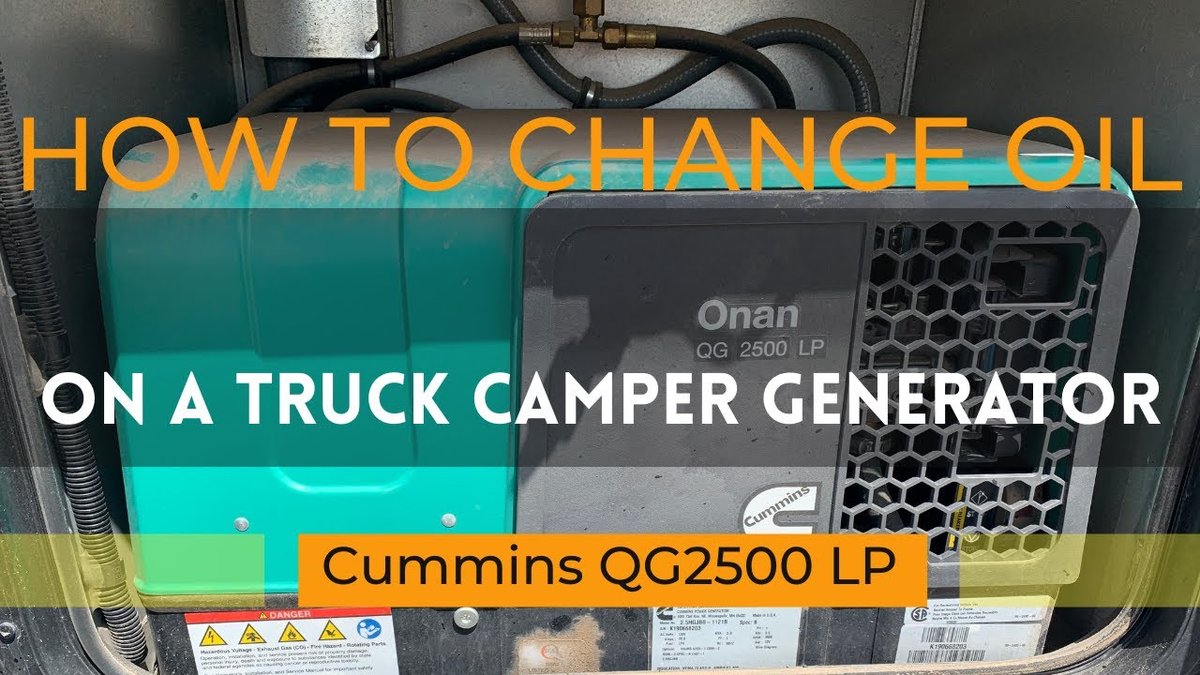
When the lights go out, your generator steps up—a powerful guardian against disruption. But like any vital piece of machinery, its heart needs the right care. Choosing the Right Oil for Your Specific Generator isn't just a maintenance chore; it's the single most critical decision you can make for its long-term health, performance, and reliability. Skimping on oil or using the wrong type is a fast track to engine failure and costly repairs, turning your dependable backup into a frustrating headache.
This isn't about simply pouring whatever you have on hand into the crankcase. This is about understanding what keeps your generator purring smoothly, protecting its internal components from the immense stresses of heat, friction, and constant operation. Think of it as specialized nutrition for a high-performance athlete—it has to be precisely right.
At a Glance: Key Takeaways for Smart Oil Choices
- Your Manual is Gold: Always, always consult your generator's owner's manual first for oil type and viscosity.
- Temperature Matters: Match oil viscosity to your ambient climate for optimal cold starts and hot protection.
- Synthetics are Superiors: For heavy use, extreme conditions, or extended storage, full synthetic oil offers unmatched protection.
- Check Often, Change Regularly: Monitor oil levels before every use and adhere to recommended change intervals (typically 50-100 hours or annually).
- Don't Mix or Skimp: Use quality oil from reputable brands and avoid mixing different types.
- Dispose Responsibly: Never pour used oil down the drain; recycle it properly.
Why Your Generator's Oil Is Non-Negotiable
Beyond just lubricating moving parts, your generator's engine oil is a multi-tasking workhorse, performing essential functions that directly impact its lifespan and reliability. Ignoring these functions is akin to running a marathon without water.
- The Friction Fighter (Lubrication): This is the oil's primary role. It creates a thin film between metal surfaces—pistons, crankshaft, camshaft—preventing direct metal-on-metal contact. Without it, friction quickly generates immense heat, leading to rapid wear and eventual seizure.
- The Heat Dissipater (Cooling): As the engine operates, it generates tremendous heat. Oil circulates throughout the engine, absorbing heat from critical components and carrying it away to be dissipated. It's a vital secondary cooling system, especially crucial for air-cooled generator engines that often run hotter than liquid-cooled car engines.
- The Internal Cleaner (Cleaning): Modern generator oils contain detergents and dispersants. Detergents prevent the formation of sludge and varnish by dissolving contaminants, while dispersants keep these particles suspended in the oil until they're drained during an oil change. A clean engine runs more efficiently and lasts longer.
- The Sealing Agent (Sealing): Oil helps create a crucial seal between the piston rings and cylinder walls. This seal is essential for maintaining proper compression, which translates directly to engine power and fuel efficiency. Without it, power drops, and fuel consumption rises.
- The Rust Defender (Protection): When your generator isn't running, or when humidity is high, internal metal components are vulnerable to rust and corrosion. Oil forms a protective barrier, especially important during periods of storage, safeguarding the engine from these destructive forces.
Neglecting these critical functions leads to premature engine wear, reduced performance, increased fuel consumption, and ultimately, costly repairs or outright engine failure.
The Different Brews: Conventional, Synthetic, and Blend Oils
Not all oils are created equal. Understanding the fundamental differences between oil types is your first step in making an informed choice.
1. Conventional (Mineral) Oil
- What it is: This is refined crude oil, the most traditional and least expensive option.
- Best for: Older generator models not spec'd for synthetic, generators used infrequently, or those operating in moderate climates with stable temperatures.
- Pros: Cost-effective, readily available.
- Cons: Less resistant to temperature extremes, breaks down faster, offers less protection against wear and sludge compared to synthetics. Requires more frequent changes.
2. Full Synthetic Oil
- What it is: Engineered from scratch in a lab using sophisticated chemical processes. This allows for precise control over molecular structure, resulting in a purer and more uniform lubricant.
- Best for: Heavy-duty use, generators operating in extreme cold or hot climates, maximizing engine life, extended drain intervals, and superior protection during long-term storage.
- Pros: Superior lubrication, exceptional resistance to temperature extremes (stays fluid in cold, maintains viscosity in heat), better cleaning properties, reduced friction, extended drain intervals, and enhanced corrosion protection.
- Cons: Higher upfront cost.
3. Synthetic Blend Oil
- What it is: A carefully formulated mixture of conventional and full synthetic base oils.
- Best for: Bridging the gap between conventional and full synthetic. It's a good compromise for those seeking enhanced performance over conventional oil without the full cost of pure synthetic.
- Pros: Offers improved protection and performance compared to conventional oil, better resistance to temperature fluctuations, and often extends drain intervals slightly.
- Cons: Doesn't offer the peak performance or extreme temperature resistance of full synthetic.
Decoding the Numbers: Understanding Oil Viscosity (SAE Ratings)
When you look at an oil bottle, you'll see a label like "10W-30" or "SAE 30." These aren't random numbers; they're the Society of Automotive Engineers (SAE) viscosity ratings, telling you how thick or thin the oil is at different temperatures.
- The "W" Number (e.g., 10W): Cold Viscosity
- The "W" stands for "Winter." This number indicates the oil's viscosity (its resistance to flow) at cold temperatures.
- A lower "W" number (e.g., 0W, 5W) means the oil is thinner when cold. This is crucial for easier cold starting, allowing the oil to circulate faster and lubricate critical engine parts quickly upon startup, reducing wear.
- The Second Number (e.g., 30): Hot Viscosity
- This number indicates the oil's viscosity at the engine's normal operating temperature (hot).
- A higher number (e.g., 40, 50) means the oil remains thicker when hot, providing a more robust protective film under high heat and heavy load conditions.
- Single-Grade Oils (e.g., SAE 30):
- These oils are designed for specific temperature ranges, typically warmer climates where cold starting isn't a concern. They maintain a consistent viscosity. If your generator's manual recommends a single-grade oil, it's often for specific continuous temperature ranges.
The Takeaway: Multi-grade oils (like 10W-30) are versatile, adapting their viscosity to both cold startup and hot operating conditions. Single-grade oils are simpler but less adaptable. Always defer to your manual's recommendations for the specific viscosity needed.
Beyond the Base: The Power of Oil Additives
High-quality generator oils aren't just base oil; they're complex formulations enhanced with a blend of specialized additives. These chemical compounds significantly boost the oil's performance and extend your engine's life.
- Detergents: These aren't for lathering! Detergents keep the engine meticulously clean by preventing the formation of harmful sludge, varnish, and carbon deposits on internal surfaces. They essentially scrub the engine from the inside.
- Anti-Wear Agents: Under intense pressure and heat, even a good oil film can thin. Anti-wear agents (like Zinc Dialkyldithiophosphate, or ZDDP) form a sacrificial protective layer on metal surfaces, preventing direct metal-on-metal contact and minimizing wear on critical components like camshafts and lifters.
- Viscosity Index Improvers (VIIs): These polymers allow multi-grade oils to maintain protective qualities across a wide range of temperatures. They expand when hot to prevent the oil from thinning too much and contract when cold to allow the oil to flow freely.
- Corrosion Inhibitors: Especially crucial for generators that might sit for extended periods or operate in humid environments, these additives form a protective film on metal surfaces, shielding them from rust and corrosion.
Your Step-by-Step Guide to Choosing the Perfect Oil
Ready to make the right choice? Here's how to navigate the options and select the ideal oil for your generator.
Rule #1: Always Check Your Owner's Manual
This is the golden rule, the non-negotiable first step. Your generator's manufacturer has specific recommendations based on its engine design, tolerances, and typical operating conditions. These guidelines will specify:
- Recommended Oil Type: Conventional, synthetic blend, or full synthetic.
- Viscosity Rating(s): Such as 5W-30, 10W-30, or SAE 30.
- Temperature Chart: Often, a chart will show different viscosity grades recommended for various ambient temperature ranges.
Ignoring these guidelines isn't just risky; it can void your warranty and cause significant engine damage.
Climate Control: Matching Oil to Your Environment
Once you've consulted your manual, consider where and when your generator typically operates. Ambient temperature plays a massive role in oil performance.
- Consistently Cold Climates (below freezing):
- Recommendation: Multi-grade oil with a low "W" rating (e.g., 5W-30, 0W-30).
- Why: A thinner cold oil ensures easier starting, faster lubrication of critical parts, and less strain on the starter motor and battery in frigid conditions.
- Consistently Hot Climates (consistently warm/hot):
- Recommendation: Single-grade oil like SAE 30 (if recommended by the manual for warmer temps) or a multi-grade with a higher hot viscosity (e.g., 10W-40).
- Why: A thicker hot oil maintains a stronger protective film under high operating temperatures, preventing excessive thinning and potential metal-on-metal contact.
- Variable/Temperate Climates (seasonal changes):
- Recommendation: 10W-30 is a very common, versatile choice, offering a good balance for most temperate zones. Check your manual for specific multi-grade recommendations for your typical temperature extremes.
Generator's Lifestyle: Usage and Type Considerations
How you use your generator significantly impacts the oil it needs.
- Inverter Generators: These often have more sensitive engines and may require specific, often lighter viscosity oils. Always double-check the manual for precise requirements.
- Heavy-Duty Use (extended periods, heavy load, frequent operation):
- Recommendation: Full synthetic oil.
- Why: Synthetics provide superior protection against heat breakdown and wear, crucial for engines working harder for longer durations. This will maximize the engine's lifespan under strenuous conditions.
- Infrequent Use or Long Storage:
- Recommendation: Full synthetic oil.
- Why: Synthetics offer better protection against internal corrosion and oxidation, which can occur when an engine sits for extended periods. This keeps internal components pristine until the next startup.
- Quality Over Cost:
- Invest in high-quality oils from reputable brands. The slight cost difference between a budget oil and a premium one is negligible compared to the potential cost of engine repairs down the line. A premium oil often has a more robust additive package.
For deeper insights into oil types and their benefits, you can refer to this comprehensive generator oil guide.
Keeping Your Powerhouse Primed: Essential Oil Maintenance
Choosing the right oil is only half the battle; maintaining it properly is just as crucial. Here are the routines you need to follow.
Quick Check: How to Monitor Your Oil Level (Before Every Use)
Always make checking your oil a pre-start ritual. Low oil is one of the fastest ways to damage an engine.
- Safety First: Ensure the generator is completely off, cool, and placed on a level surface. Disconnect the spark plug wire to prevent any accidental starting.
- Locate Dipstick: Find the oil dipstick, usually a colored loop or cap. Unscrew and remove it.
- Wipe Clean: Wipe the dipstick completely clean with a rag or paper towel.
- Reinsert and Read: Reinsert the dipstick fully (screwing it back in if it's a screw-in type), then remove it again to read the oil level.
- Check Level: The oil level should fall between the "Full" and "Add" marks on the dipstick.
- Add if Low: If the level is low, slowly add the recommended type of oil through the oil fill opening, checking the dipstick frequently. Be careful not to overfill, as this can also cause issues.
The Big Refresh: Changing Your Generator's Oil
Regular oil changes remove worn-out oil, suspended contaminants, and depleted additives, replenishing your engine with fresh protection.
- Consult Your Manual: Always refer to your generator's specific owner's manual for precise instructions, oil capacity, and recommended oil change intervals. The first oil change is often recommended much earlier (e.g., after 20-25 operating hours) to remove manufacturing debris. Subsequent changes are typically every 50-100 operating hours or at least annually, whichever comes first.
- Warm It Up: Run the generator for 5-10 minutes to warm the oil. Warm oil drains more easily and carries away more contaminants.
- Shut Down and Disconnect: Turn the generator off, and again, disconnect the spark plug wire for safety.
- Prepare for Drain: Place a suitable oil drain pan directly beneath the oil drain plug.
- Drain Old Oil: Carefully loosen and remove the oil drain plug (and dipstick/fill cap to aid drainage). Allow all the old oil to drain completely.
- Oil Filter (If Applicable): If your generator has a replaceable oil filter (more common on larger or standby units), unscrew the old one. Apply a thin film of new oil to the rubber gasket of the new filter before screwing it on hand-tight, then an additional quarter to half turn.
- Reinstall Plug: Clean the drain plug and its sealing washer (replace the washer if it looks damaged or compressed). Reinstall the drain plug, tightening securely but without overtightening.
- Add New Oil: Using a funnel, slowly pour the recommended amount and type of new oil into the oil fill opening. Your manual will specify the capacity.
- Check and Top Off: After adding most of the oil, use the dipstick to check the level, adding small amounts until it reaches the "Full" mark. Do not overfill.
- Final Checks: Reconnect the spark plug wire. Start the generator and let it run for a few minutes to circulate the new oil and check for any leaks around the drain plug or filter.
- Final Level Check: Shut it off, let it cool for a few minutes, and re-check the oil level, topping off if necessary.
Responsibly Disposing of Used Oil
Used motor oil is a hazardous waste that can severely pollute the environment. Never pour it down the drain or into the ground.
- Recycle: Many auto parts stores, service stations, or local recycling centers accept used motor oil for free. Store it in a clean, sealed container (like the original oil bottle). Properly disposing of used oil is an essential part of generator ownership, as over 1 billion gallons are improperly disposed of annually.
When Things Go Wrong: Troubleshooting Common Oil Issues
Even with the best intentions, oil-related problems can arise. Knowing how to identify and address them quickly can save your generator's life.
The Low Down: Addressing Low Oil Levels
- Symptoms: Generator shutting off unexpectedly, failing to start, or displaying a "low oil" indicator light (many modern generators have this safety feature).
- Causes: Normal oil consumption over time, or an underlying oil leak.
- Fix: Check your oil dipstick immediately. If low, add the correct type of oil to the "Full" mark. Then, inspect the generator for any signs of leaks, such as puddles or oily residue.
The Mismatch: Using the Wrong Oil Type or Viscosity
- Symptoms: Hard starting (especially in cold weather if the oil is too thick), excessive smoke, unusual engine noises, reduced power output, or the engine overheating.
- Causes: Using oil that doesn't meet the manufacturer's specified type (e.g., conventional instead of synthetic) or the wrong viscosity for the ambient temperature.
- Fix: Drain the incorrect oil immediately. Replace it with the manufacturer-recommended type and viscosity. Do not run the generator on the wrong oil for long.
The Leak Hunt: Finding and Fixing Oil Leaks
- Symptoms: Puddles of oil under the generator, visible oily residue on the engine block, or a burning oil smell (oil dripping onto hot engine parts).
- Causes: A loose oil drain plug, a faulty or improperly installed oil filter gasket, a damaged oil pan gasket, or worn engine seals (crankshaft seals, valve cover gaskets).
- Fix: Start with the simplest: check if the drain plug or oil filter is loose and tighten them. If the leak persists, inspect gaskets and seals. Significant leaks, especially from internal engine seals, often require professional repair.
The Contamination Crisis: Dirty or Milky Oil
- Symptoms:
- Milky or Frothy Oil: Indicates water contamination.
- Gritty Oil: Suggests dirt, dust, or metal particles.
- Strong Fuel Smell: Points to fuel dilution.
- Causes:
- Water Contamination: Condensation due to improper storage, water entering through the oil fill cap, or, seriously, a cracked engine block or head gasket.
- Gritty Oil: Dirty air filter allowing dust ingress, or excessive internal engine wear.
- Fuel Dilution: Carburetor issues, excessive choking, or a faulty fuel system component.
- Fix: Change the oil and oil filter immediately. Then, investigate the source of contamination. For milky oil, this is a serious issue that warrants immediate diagnosis and repair, as water compromises lubrication severely. Fuel dilution reduces oil's viscosity and lubricating properties.
Actionable Insight: Address all oil-related issues promptly. Ignoring them will inevitably lead to severe and costly engine damage. For more detailed troubleshooting, you might want to check out this in-depth look at generator oil.
Powering Up Green: Environmentally Friendly Oil Choices
As environmental awareness grows, so do options for eco-conscious generator owners.
- Biodegradable/Bio-based Oils:
- What they are: Derived from renewable resources like vegetable oils (e.g., canola, soybean).
- Pros: Reduced environmental impact, lower toxicity, and faster biodegradability in case of spills.
- Cons: May have a shorter shelf life, sometimes require more frequent changes, and can have limited availability or higher cost. Crucially, check if your generator manufacturer approves their use, as some engines are not designed for them.
- Recycled/Re-refined Oils:
- What they are: Made from previously used motor oil that undergoes a rigorous refining process to remove contaminants and restore it to virgin oil quality. They are then blended with fresh additives.
- Pros: Significantly reduce waste oil and conserve crude oil, lowering the carbon footprint of oil production. Many meet stringent API (American Petroleum Institute) standards.
- Cons: Perceptions of lower quality (though modern re-refined oils are excellent), may not always be as widely available as new oils. Ensure the product meets the API service rating and viscosity grade specified for your generator.
- Extended Drain Interval Synthetics:
- What they are: High-quality full synthetic oils specifically formulated to maintain performance and protection for significantly longer periods between changes.
- Pros: Reduce waste oil and filter disposal, save time and money on maintenance.
- Cons: Require careful monitoring and strict adherence to the manufacturer's extended interval recommendations (if they permit them), often paired with specific long-life oil filters.
Pro Tips from the Field: Maximizing Your Generator's Lifespan
Beyond the basics, these expert insights will help you get the most out of your generator.
- Track Your Hours, Not Just Your Calendar: While annual oil changes are a good baseline, actual operating hours are the most critical factor. Most manufacturers recommend changes every 50-100 hours. Consider installing an hour meter if your generator doesn't have one to track this precisely.
- Prepping for Hibernation: Storage Best Practices: If you store your generator for an extended period, ensure the oil is fresh before storage. Old, contaminated oil can lead to internal corrosion. Also, consider adding a fuel stabilizer to the fuel system to prevent fuel degradation.
- To Filter or Not to Filter? Many smaller, portable generators do not have a replaceable oil filter; they rely on the oil change itself to remove contaminants. Larger or standby units are more likely to have one. Always use a high-quality filter if applicable and replace it with every oil change.
- Don't Mix and Match: Avoid mixing different types of generator oil (e.g., conventional with synthetic). While typically not immediately damaging, it can dilute the additive package and compromise the performance benefits of synthetic or blend oils. Stick to one type.
- Generator Oil vs. Car Oil: A Key Distinction: While some car oils might technically match the viscosity (e.g., 10W-30), it's generally best to use oil specifically formulated for small engines or generators. Car oils are designed for liquid-cooled engines, often with different operating temperatures, RPM ranges, and emission controls. Generator oils are formulated to handle the hotter, constant-RPM operation of air-cooled small engines and may contain different additive packages (e.g., robust anti-wear for flat tappet camshafts) that are critical for generator longevity.
- Brand Trust Matters: Reputable oil brands often invest heavily in research and development, using superior base oil stocks and advanced additive packages. This translates to better performance, protection, and longevity for your generator. Don't just grab the cheapest option; choose a trusted name.
To further deepen your understanding and keep your generator in top shape, our full generator oil guide offers even more detailed information.
Your Path Forward: Powering On with Confidence
Your generator is an investment in peace of mind. By making an informed decision about its engine oil and adhering to proper maintenance routines, you're not just preserving a machine—you're ensuring reliable power when you need it most. It’s a small effort that yields tremendous returns in performance, durability, and the sheer satisfaction of knowing your backup plan is solid.
Take a moment to check your owner's manual, consider your environment and usage, and then confidently choose the oil that will keep your generator running strong for years to come. With the right oil, you're not just ready for anything; you're prepared with power that truly lasts. For a comprehensive overview of everything you need to know about generator oil, and to further explore our comprehensive generator oil resources, you're now equipped with the knowledge to make the best decisions for your power needs.